


What Is Yeast Protein? Benefits, Nutrition, Uses, and More
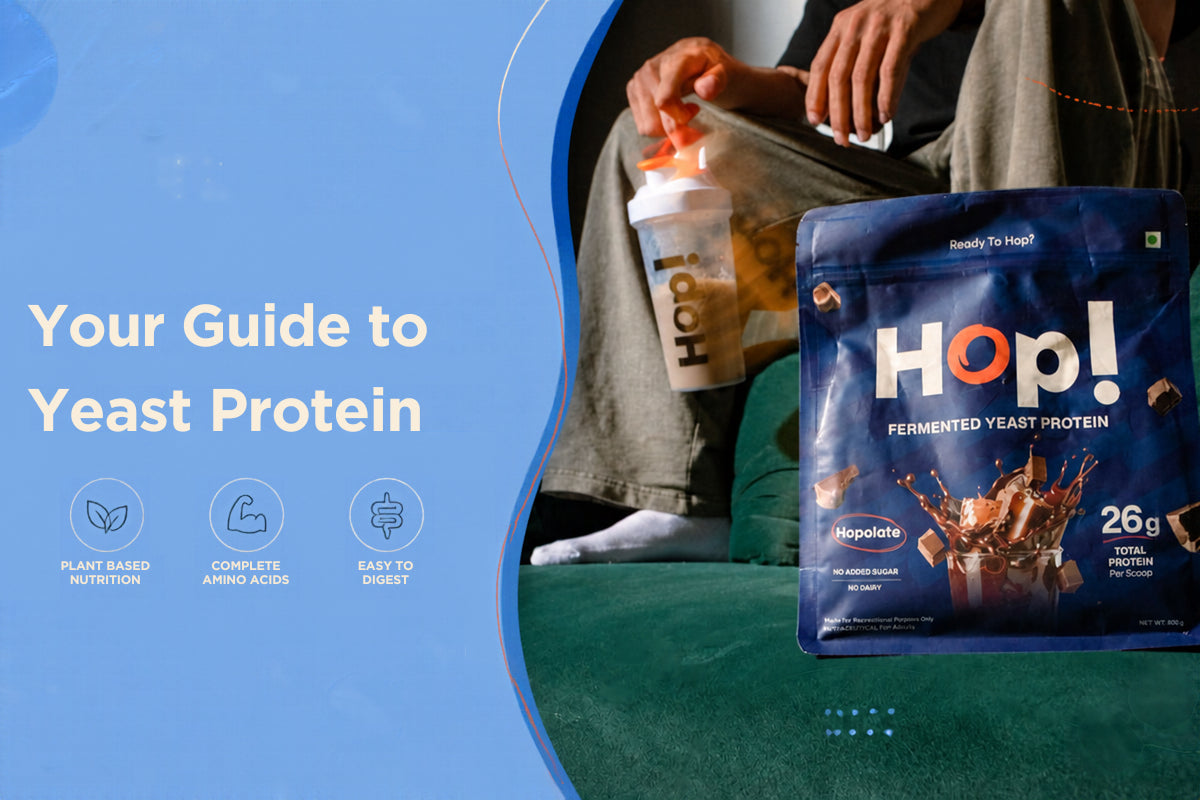
Table of contents
- What Is Yeast Protein?
- How Is Yeast Protein Made?
- What Is the Nutritional Value of Yeast Protein?
- What Are the Benefits of Yeast Protein?
- Yeast Protein vs Whey Protein vs Plant Protein
- How Can You Use Yeast Protein in Your Daily Routine?
- Are There Any Side Effects or Limitations of Yeast Protein?
- How Do You Choose a Good Yeast Protein Powder?
- Ready to Rethink Your Protein Routine? Explore HOP
- Frequently Asked Questions
Yeast protein is a protein ingredient produced from yeast through controlled fermentation and processing. It can provide all nine essential amino acids, depending on the ingredient and formulation, making it an alternative to whey and conventional plant proteins. Its nutritional value, digestibility, and suitability depend on the specific product and how it is processed.
Protein is an important part of a balanced diet, but whey is not the only option available. What is yeast protein, and how does it fit into everyday nutrition? This fermentation-based protein source offers another way to meet daily protein needs. At HOP, we believe understanding your options is the first step towards making informed nutrition choices.
What Is Yeast Protein?
Yeast protein is obtained from yeast cells grown under controlled conditions and processed for use in food products and supplements. Food-grade yeast, including Saccharomyces cerevisiae, is commonly used to produce protein ingredients through fermentation.
Unlike whey, which comes from milk, yeast protein is derived from microorganisms. It can contain all nine essential amino acids, which the body needs to support normal growth, tissue maintenance, and muscle function.
Yeast protein is also different from nutritional yeast and yeast extract. Nutritional yeast is generally sold as a savoury food ingredient, while yeast extract is commonly used for flavour. Yeast protein is specifically processed and formulated to provide protein.
Need a broader guide to gaining weight with protein? Visit our protein powder for weight gain collection.
How Is Yeast Protein Made?
The production process uses fermentation to grow yeast before recovering and preparing the protein ingredient.
The process generally involves three stages:
-
Fermentation: Yeast grows in a controlled environment with suitable nutrients, moisture, temperature and other conditions.
-
Harvesting and processing: The yeast biomass is collected and processed to prepare it for food applications. Depending on the product, additional steps may be used to improve its nutritional and functional properties.
-
Protein preparation: The ingredient is processed into a suitable form, such as a powder, and tested for relevant quality and safety requirements.
Manufacturing methods vary between products. Processing also matters because yeast cells contain nucleic acids, which may need to be reduced for human food applications.
Fermentation makes yeast protein an interesting alternative protein source, but the finished ingredient's quality depends on the production method, processing, and formulation.
What Is the Nutritional Value of Yeast Protein?
One of the main reasons yeast protein attracts attention is its amino acid composition. Protein quality, however, involves more than simply counting grams of protein.
Essential amino acids and protein quality
The body requires nine essential amino acids from food. A protein that provides all nine in appropriate amounts is described as a complete protein.
Yeast protein can provide these amino acids, including leucine, which plays a role in muscle protein synthesis. However, amino acid composition alone does not determine how effectively the body digests and uses a protein.
A 2025 study published in Food Chemistry compared yeast protein with whey, soy, wheat, and pea proteins. The researchers found that the tested yeast protein had a balanced essential amino acid profile, although its measured digestibility was lower than that of the animal proteins examined.
This highlights an important point: protein quality depends on both amino acid composition and digestibility. Results also vary by ingredient and processing method.
Protein per serving
The protein content of a powder depends on its formulation and serving size. Always check the nutrition label rather than assuming that every yeast protein supplement provides the same amount.
Training hard while bulking? Browse protein powder for muscle gain.
What Are the Benefits of Yeast Protein?
Yeast protein can be useful for people looking for more variety in their diets or a non-dairy way to supplement their protein intake.
1. Helps meet daily protein requirements
Protein contributes to the maintenance of muscles and other body tissues. A supplement can help fill a gap when meals alone do not provide enough protein, although individual requirements depend on factors such as age, activity and health.
2. Provides essential amino acids
A properly formulated complete yeast protein can supply all nine essential amino acids. These nutrients support normal bodily functions, including muscle maintenance and recovery after physical activity.
3. Offers a non-dairy alternative
Because yeast protein does not originate from milk, it can provide another option for people avoiding dairy. It may also suit vegan diets when the finished product contains no animal-derived ingredients.
People with food allergies should still review the complete ingredient list and allergen information.
4. Adds variety to protein choices
Whey, soy, pea and yeast proteins have different characteristics. Including a suitable alternative can give consumers more flexibility when choosing supplements based on dietary preferences, taste and nutritional requirements.
Yeast protein is not automatically better than every other protein source. The most suitable option depends on the individual and the product.
Want to compare overall options? Start with the best protein powder in India.
Yeast Protein vs Whey Protein vs Plant Protein
Choosing a protein powder becomes easier when you compare the factors that matter to your routine.
|
Factor |
Yeast protein |
Whey protein |
Plant protein |
|
Source |
Yeast microorganisms |
Milk |
Plants such as peas and soy |
|
Essential amino acids |
Can provide all nine |
Complete protein |
Depends on the source and formulation |
|
Dairy-free |
Yes, if the finished product is dairy-free |
No |
Generally, but check the label |
|
Vegan suitability |
Depends on the finished product |
No |
Generally, subject to ingredients |
|
Digestibility |
Depends on processing and formulation |
Varies by product |
Varies by source and processing |
There is no single winner for everyone. Whey remains a useful protein source, while pea, soy and yeast proteins offer alternatives for different dietary preferences.
When comparing products, look at protein per serving, amino acid quality, digestibility evidence, allergens, taste and cost. These details are more useful than relying on broad claims that one protein is universally superior.
Prefer a dairy-free source? Read more about fermented yeast protein and how it works.
How Can You Use Yeast Protein in Your Daily Routine?
Yeast protein powder can be incorporated into everyday meals or drinks, depending on the product's instructions.
Here are a few practical options:
-
Breakfast: Mix a suitable protein powder into oats or a smoothie.
-
After exercise: Use it as a convenient addition to your post-workout nutrition if you need more protein.
-
Between meals: Prepare a shake when a regular meal is not practical.
-
Recipe variations: Add it to suitable recipes according to the product instructions.
HOP offers several fermented yeast protein flavours designed to make a protein routine more enjoyable.
-
Hopolate: A chocolate-flavoured option providing approximately 26 g of protein per serving.
-
Hopuccino: A coffee-flavoured option for those who prefer coffee-inspired drinks.
-
Kulfi’d: A kulfi-inspired flavour with notes of cardamom, pistachio and almond.
-
Strawberry Crème: A strawberry-flavoured option with a creamy finish.
HOP list all nine essential amino acids and 10 billion CFU of probiotics per serving across these flavours. Protein content varies by product, so check the individual nutrition panel for the precise amount, ingredients and serving instructions.
Are There Any Side Effects or Limitations of Yeast Protein?
Yeast protein is not automatically suitable for everyone. Consider the following points before adding it to your diet:
-
Yeast sensitivity: People with a known yeast allergy or sensitivity should seek appropriate advice before using a yeast-derived supplement.
-
Nucleic acid content: Yeast ingredients may contain nucleic acids, making appropriate processing and quality controls important.
-
Added ingredients: Flavourings, sweeteners and other ingredients vary between products. Review the label for potential allergens and ingredients you prefer to avoid.
-
Individual dietary needs: People with medical conditions or specific dietary restrictions should consult a qualified healthcare professional before choosing a supplement.
A protein powder should complement a balanced diet, not replace the variety of nutrients provided by whole foods.
Choosing for a woman’s daily nutrition? Explore the best protein powder for women.
How Do You Choose a Good Yeast Protein Powder?
Before buying a supplement, use this checklist:
-
Check the amount of protein per serving.
-
Review the ingredients and allergen declaration.
-
Look for transparent nutritional information and appropriate quality documentation.
-
Consider flavour, mixability, serving size and cost per serving.
-
Verify claims about probiotics, added sugar and amino acids against the product label.
At HOP, product-specific nutrition information and ingredients are available on the relevant product pages. Reviewing these details helps you choose a product that fits your preferences and nutritional goals.
Ready to Rethink Your Protein Routine? Explore HOP
Understanding your options can help you make more informed decisions about daily nutrition. Yeast protein offers another way to supplement protein intake, with its suitability depending on the formulation, nutritional needs and individual preferences.
HOP brings fermented yeast protein into everyday routines with flavours designed to make protein supplementation more enjoyable. Whether you prefer chocolate, coffee, kulfi-inspired or strawberry flavours, there is an option to explore.
Explore the HOP Yeast Protein Collection and find a flavour that fits your routine.
Frequently Asked Questions
Q1. How is yeast protein produced?
Yeast protein is generally produced by growing food-grade yeast through controlled fermentation, harvesting the biomass and processing it into a suitable protein ingredient. The precise method varies by manufacturer and product.
Q2. Can yeast protein help with muscle growth?
Yes. Yeast protein can contribute to muscle maintenance and growth when it supplies adequate protein and essential amino acids as part of a suitable diet and resistance-training routine.
Q3. Is yeast protein a complete protein?
Yeast protein can be a complete protein because it can supply all nine essential amino acids. The amounts and overall protein quality depend on the ingredient and processing method.
Q4. Is yeast protein suitable for vegans?
Yeast-derived protein can suit vegan diets because yeast is a microorganism, not an animal. Check the finished product's ingredients to ensure it contains no animal-derived additives.
Q5. Will yeast protein replace whey protein?
Yeast protein can be an alternative to whey, particularly for people seeking a non-dairy option. However, the two sources differ in digestibility and other nutritional characteristics, so compare individual products before choosing.
Q6. What is the difference between yeast protein and nutritional yeast?
Yeast protein is processed to provide protein, often in concentrated form. Nutritional yeast is generally used as a savoury ingredient and may provide protein alongside other nutrients, depending on the product.
Q7. Why is yeast protein gaining attention?
Yeast protein is attracting interest because fermentation offers another way to produce protein ingredients. Its amino acid profile and potential food applications make it relevant to research into alternative protein sources.
Q8. What should you check before buying yeast protein powder?
Check protein per serving, ingredients, allergen information, serving size and quality documentation. If you have a medical condition or dietary restriction, seek advice from a qualified healthcare professional.
Keep reading


