


Is Yeast Protein Safe? Benefits, Risks and Side Effects
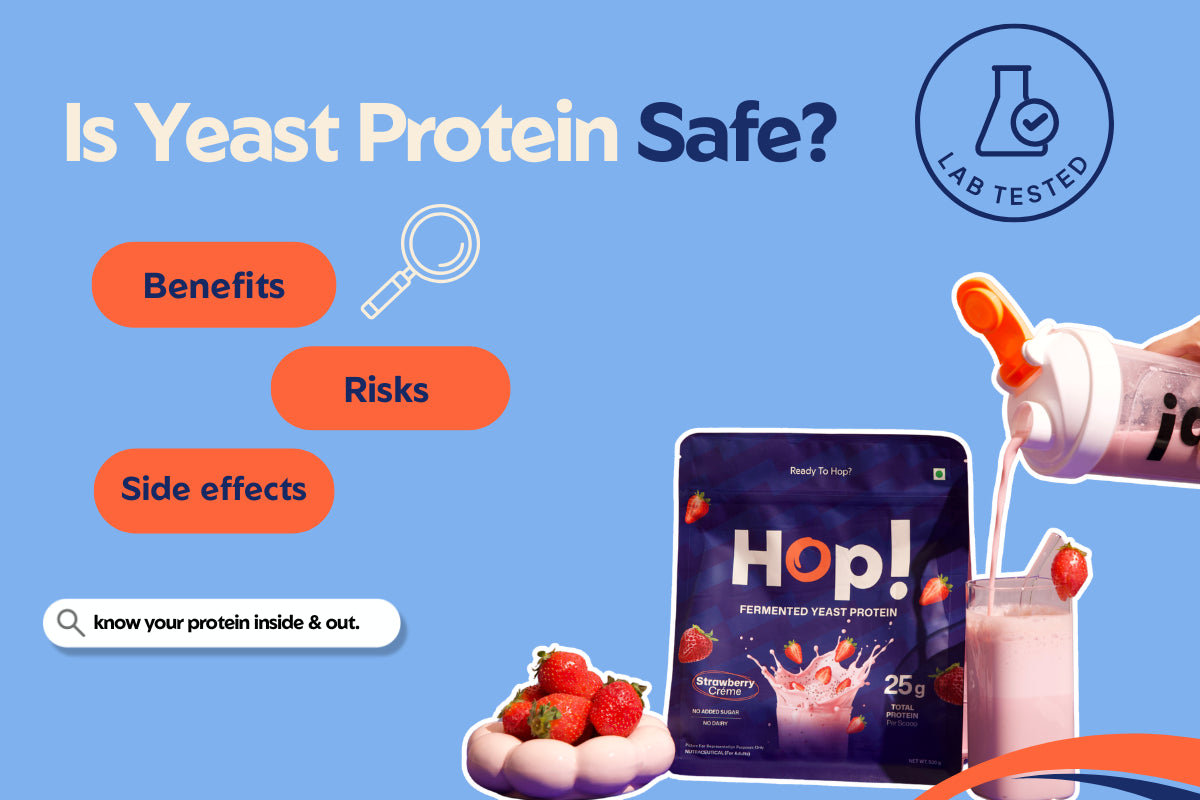
Table of contents
Yes, yeast protein is generally considered safe for healthy adults when produced under appropriate food-safety standards and consumed in recommended quantities. Yeast protein is a complete protein made by fermenting yeast, usually Saccharomyces cerevisiae. However, people with yeast allergies, certain medical conditions or specific dietary restrictions should check the ingredients and consult a healthcare professional.
Key Facts About Yeast Protein
-
Yeast protein can contain all 9 essential amino acids required by the human body.
-
One gram of protein provides approximately 4 calories.
-
ICMR-NIN recommends 0.83 g protein per kg of body weight daily for healthy adults.
-
Yeast protein production involves fermentation and food-processing controls.
-
People sensitive to yeast proteins may experience allergic reactions.
How Is Yeast Protein Made, and Why Does It Matter?
Yeast protein is produced through fermentation, a controlled process in which microorganisms grow and multiply under specific conditions. The resulting yeast biomass is processed, dried and prepared for food use.
A 2022 scientific review published in Metabolites examined yeast protein's nutritional composition and food safety. It identified several important quality considerations:
-
Controlled fermentation and hygienic manufacturing.
-
Appropriate processing to improve digestibility.
-
Reduction of nucleic acids before human consumption.
-
Testing for contaminants and maintaining food-quality standards.
These steps help determine whether a yeast protein product is suitable for human consumption. Explore yeast protein vs whey protein to understand their differences in protein content, nutritional value, digestibility, and suitability for different fitness and dietary needs.
What Are the Possible Side Effects of Yeast Protein?
Yeast protein is generally well tolerated, but individual sensitivities and product quality matter. Some people may experience allergic reactions, while products with inadequately reduced nucleic acids may present concerns for people with purine metabolism disorders.
Consider these factors before consumption:
-
Yeast allergy: People sensitive to yeast proteins should avoid products containing them.
-
Purine metabolism: High nucleic acid content can increase uric acid production. People with gout or certain kidney conditions should seek medical advice.
-
Digestive sensitivity: Individual responses to fermented protein powders and added ingredients can vary.
-
Product contamination: Poor manufacturing practices can introduce unwanted microorganisms or contaminants.
Choose products with transparent ingredient lists, appropriate food-safety testing, and clear serving instructions. Discover Best Yeast Protein Powders In India to learn about popular options, key ingredients, nutritional profiles, and factors to consider when choosing a protein supplement.
Is Yeast Protein Better Than Whey or Plant Protein?
Yeast protein offers a dairy-free alternative to whey and a different nutritional profile from many plant proteins. However, nutritional suitability depends on amino acid composition, protein quantity, digestibility, and individual dietary requirements.
|
Protein source |
Main characteristic |
|
Yeast protein |
Can provide all 9 essential amino acids |
|
Whey protein |
Dairy-derived complete protein |
|
Soy protein |
Plant-based complete protein |
|
Pea protein |
Plant-based protein with a different amino acid profile |
For Indian adults, ICMR-NIN recommends approximately 0.83 g protein per kg of body weight daily. Dal, paneer, milk, soybeans, and protein supplements can contribute towards this requirement.
How Does HOP Yeast Protein Fit Into Daily Nutrition?
HOP yeast protein powder provides 25–26 g of complete protein per scoop, including all 9 essential amino acids. It is vegan, dairy-free, and lactose-free, with 0 g added sugar and 10 billion CFU probiotics. HOP also provides lab reports for its protein flavours, supporting product transparency.
Medical note: Consult a qualified healthcare professional before using protein supplements if you have kidney disease, gout, allergies, or other medical conditions.
Frequently Asked Questions
Q1. Is yeast protein safe for daily consumption?
Yes, appropriately manufactured yeast protein can be included in daily diets. Follow the product's recommended serving size and consider your total daily protein intake.
Q2. Can yeast protein cause kidney problems?
Yeast protein is not automatically harmful to the kidneys. However, people with kidney disease should discuss protein intake and supplement suitability with their healthcare professional.
Q3. Is yeast protein safe for people with gout?
People with gout should check the product's nucleic acid and purine information before consumption. High nucleic acid intake may increase uric acid production.
Q4. Is yeast protein suitable for vegetarians and vegans?
Yes, yeast protein is suitable for vegetarian and vegan diets when its ingredients and manufacturing process contain no animal-derived components.
Q5. Is yeast protein easier to digest than whey?
Digestibility varies between products and individuals. Yeast protein is dairy-free, making it an alternative for people avoiding lactose, but this does not guarantee better digestion.
Keep reading


