


Top Yeast Protein Brand in India: How to Choose the Right Protein Powder
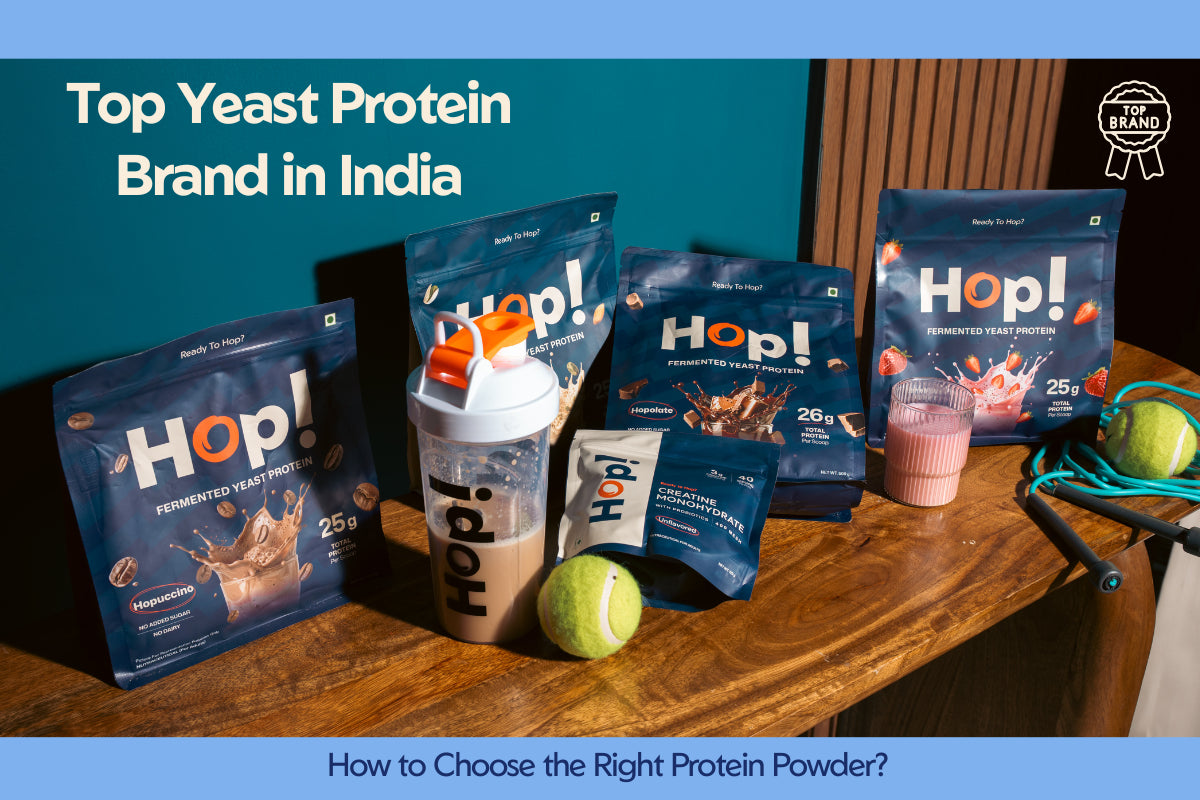
Table of contents
- Which Is the Top Yeast Protein Brand in India?
- What Is Yeast Protein and How Is It Made?
- How to Choose the Best Yeast Protein Powder in India
- Explore HOP's Fermented Yeast Protein Powders
- Yeast Protein vs Whey Protein vs Plant Protein
- Who Can Consider Yeast Protein?
- Find Your Everyday Protein Favourite with HOP
- Frequently Asked Questions
The top yeast protein brand in India should be evaluated by its protein content, essential amino acid profile, ingredients, testing transparency, taste and price per serving. Yeast protein is a fermentation-derived protein option that can suit people seeking alternatives to conventional dairy-based protein powders. Comparing product labels and nutritional information helps identify the right choice.
Finding the top yeast protein brand in India starts with understanding what your body needs and what each protein powder offers. At HOP, we believe protein should fit your nutritional goals, dietary preferences, and everyday routine. From understanding fermented yeast protein to comparing flavours and ingredients, this guide will help you make a more informed choice. Let's explore what matters before choosing your next protein powder.
Which Is the Top Yeast Protein Brand in India?
The top yeast protein brand in India is not determined by popularity alone. Protein concentration, amino acid composition, ingredient quality, independent testing, affordability, and flavour all matter when comparing options.
Yeast protein is produced through fermentation using selected microorganisms. Depending on its formulation, it can provide a concentrated source of protein without relying on dairy-derived ingredients. This makes it an option for adults looking for alternatives to conventional whey protein.
When evaluating a yeast protein powder, look for:
-
Protein per serving: Check the actual grams of protein rather than the total scoop weight.
-
Amino acid profile: Look for information about all nine essential amino acids.
-
Ingredient transparency: Review sweeteners, flavourings, allergens and other ingredients.
-
Quality documentation: Check available laboratory testing and product-specific reports.
-
Value for money: Compare the cost per serving and protein delivered.
-
Taste and convenience: Choose a flavour you can comfortably incorporate into your routine.
A well-informed decision considers the complete product rather than relying on a single marketing claim.
Want to understand how it compares with other options? Browse the fermented protein powder collection.
What Is Yeast Protein and How Is It Made?
Yeast protein is a protein ingredient obtained from yeast biomass produced through controlled fermentation. In this process, selected microorganisms grow under suitable conditions, allowing manufacturers to produce protein-rich material that can be processed into an ingredient for food and nutritional products.
Yeast protein should not be confused with nutritional yeast, which is commonly used as a seasoning, or baker's yeast, which is used in baking. Their applications, processing and final nutritional profiles can differ.
Is Yeast Protein a Complete Protein?
A complete protein contains all nine essential amino acids that the body cannot produce in sufficient quantities on its own and must obtain through food.
Certain yeast protein ingredients provide all nine essential amino acids. However, the exact nutritional composition depends on the ingredient and finished formulation, so checking the product's nutritional information remains important.
Is Yeast Protein Vegan and Dairy-Free?
Yeast-derived protein can be suitable for vegan and dairy-free diets because the protein itself comes from yeast rather than milk. However, the finished powder's complete ingredient list and allergen information should always be checked, particularly for people with specific dietary restrictions.
If you train regularly, check out the protein powder for men range.
How to Choose the Best Yeast Protein Powder in India
Choosing the best yeast protein powder in India requires more than comparing the numbers printed on the front of a pack. These five considerations can help you assess products more carefully.
1. Check Protein Content per Serving
Compare the grams of protein in one serving and the protein concentration per 100 g. A larger scoop does not automatically provide more protein, so check both measurements before making a decision.
Your overall protein needs depend on factors such as body weight, activity level, age, and dietary intake.
2. Review Ingredients and Sweeteners
Read the complete ingredient list to understand what goes into your protein powder. Check for added sugars, sweeteners, flavourings, and other ingredients that may affect your preferences.
A product with a simple ingredient list may appeal to some consumers, but ingredient count alone does not establish nutritional quality.
3. Examine the Amino Acid Profile
Protein quality depends partly on the amino acids a protein supplies and how well the body can use them. Look for reliable information about essential amino acids and, where available, the product's amino acid profile.
4. Look for Testing Transparency
Product-specific laboratory reports can provide useful information about quality and testing. Check which product was tested, the date of the report, the parameters examined and whether the documentation corresponds to the product you intend to purchase.
5. Compare Price, Flavour and Convenience
Calculate the cost per serving rather than relying solely on the pack price. Also consider taste, mixability, serving size and ease of preparation. The most suitable protein powder is one that meets your nutritional requirements and fits your budget and routine.
Choosing for a woman’s daily nutrition? Explore the best protein powder for women.
Explore HOP's Fermented Yeast Protein Powders
At HOP, we bring fermented yeast protein into an everyday nutrition routine with four flavour options. Each offers a different taste experience, helping you choose according to your personal preferences.
Hopuccino: Coffee-Inspired Protein
Hopuccino is the coffee-inspired option in our range. It is worth exploring if you enjoy coffee-style flavours and want variety in your daily protein routine.
Strawberry Crème: A Fruity Alternative
Strawberry Crème offers a strawberry-inspired flavour for people who prefer fruit notes over conventional chocolate or coffee options.
Kulfi'd: An Indian Dessert-Inspired Choice
Kulfi'd takes inspiration from the familiar flavour of kulfi. It brings an Indian dessert-inspired option to the protein powder category for people looking for something different.
Hopolate: Chocolate-Flavoured Protein
Hopolate is our chocolate-inspired option. It is a natural choice to explore if chocolate is your preferred flavour for a protein shake.
Our fermented yeast protein range is designed around flavour choice and convenient protein supplementation. Check each product page for its current nutritional panel, ingredients, serving information, and available testing documentation before purchasing.
Explore the HOP protein range to discover the flavour that suits your routine.
Yeast Protein vs Whey Protein vs Plant Protein
Different protein sources can support daily protein intake, but their composition and suitability vary.
-
Yeast protein: A fermentation-derived protein option that may provide all nine essential amino acids, depending on the ingredient.
-
Whey protein: A dairy-derived protein commonly used by athletes and fitness enthusiasts.
-
Plant protein: Protein derived from sources such as peas, soy, rice or other plants, with nutritional composition varying by source and formulation.
The right choice depends on dietary preferences, protein requirements, ingredient tolerance, budget, and the nutritional profile of the specific product. No single protein source is automatically best for everyone.
Finding it hard to eat enough? See our protein powder for weight gain range.
Who Can Consider Yeast Protein?
Yeast protein powder can be a convenient option for adults who want to supplement their daily protein intake. It may appeal to:
-
Gym-goers looking to support muscle maintenance and recovery alongside appropriate exercise.
-
Vegetarians and people seeking alternatives to dairy-based protein powders.
-
Busy professionals who need a convenient addition to meals or snacks.
-
Individuals who prefer exploring different protein sources.
Protein powders supplement a balanced diet; they do not replace the benefits of varied, nutrient-rich foods. People with yeast allergies or relevant medical conditions should check product information and consult a qualified healthcare professional when necessary.
Find Your Everyday Protein Favourite with HOP
Choosing a protein powder should feel straightforward. Focus on nutritional quality, transparent ingredients, suitable serving sizes and a flavour you enjoy rather than relying on rankings alone.
At HOP, our fermented yeast protein range brings together four distinctive flavours: Hopuccino, Strawberry Crème, Kulfi'd and Hopolate. Whether you prefer coffee-inspired, fruity, Indian dessert-inspired or chocolate flavours, you can explore the range and review the product details before deciding.
Ready to make a more informed choice? Explore HOP's official website, discover our fermented yeast protein powders and find an option that fits your everyday nutrition goals.
Frequently Asked Questions
Q1. How do I choose the top yeast protein brand in India?
Compare protein per serving, amino acid composition, ingredients, testing documentation, price and flavour. Choose a product that meets your nutritional requirements and dietary preferences.
Q2. Can yeast protein help support muscle growth?
Yes. Yeast protein can contribute amino acids needed for muscle growth when total protein intake, resistance training, energy intake, and recovery are appropriate.
Q3. Is yeast protein better than whey protein?
Not universally. Both can contribute to protein intake, but their sources, formulations, and suitability differ. Your dietary needs and individual preferences should guide your choice.
Q4. Will yeast protein cause digestive discomfort?
It can cause discomfort in some individuals, as can other protein supplements. Tolerance varies with the person, ingredients and serving size; individual experiences are not guaranteed.
Q5. What makes fermented yeast protein different from nutritional yeast?
Fermented yeast protein is processed as a protein ingredient, while nutritional yeast is commonly used as a seasoning. Their intended uses and nutritional composition can differ.
Q6. Why should I check laboratory reports before buying protein powder?
Laboratory reports can provide evidence about specific quality and safety parameters. Check the product identity, testing date, parameters measured and report details rather than assuming every report verifies every possible claim.
Q7. Can I use HOP yeast protein every day?
HOP yeast protein can be incorporated into a daily nutrition routine according to your protein requirements and the product's serving directions. Consider your overall diet and seek professional advice if you have specific health concerns.
Q8. What flavours are available in HOP's yeast protein range?
HOP offers four flavour options: Hopuccino, Strawberry Crème, Kulfi'd and Hopolate. Review each product's label and product page to compare its ingredients and nutritional details.
Keep reading


