


Protein Rich Food: Best Sources for a Balanced Diet
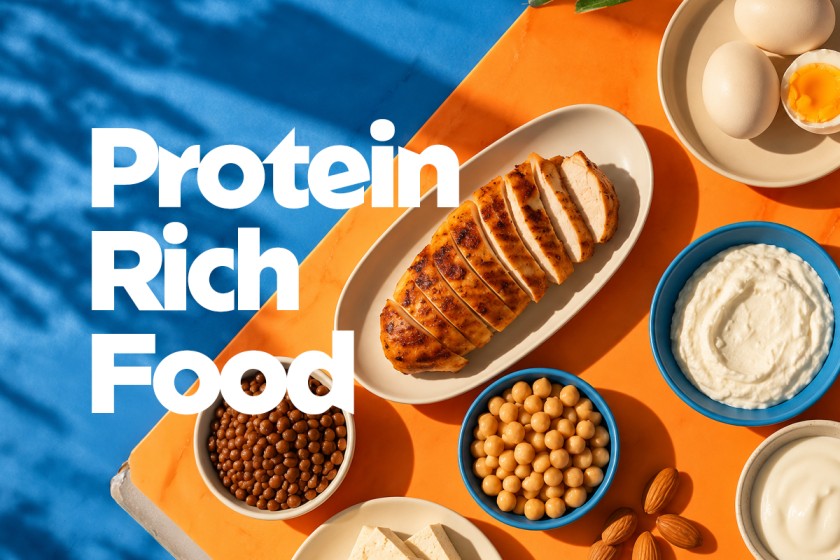
Table of contents
- What Is Protein-Rich Food and Why Does It Matter?
- 20+ Best Protein Rich Foods to Include in Your Diet
- Which High Protein Foods Are Best for Your Goals?
- How Much Protein Do You Need Daily?
- Easy Ways to Add Protein Foods to Everyday Meals
- Can Protein Supplements Help You Meet Your Needs?
- Common Mistakes to Avoid When Choosing Protein Foods
- Build a Protein Routine That Works for You with HOP
- Frequently Asked Questions
Protein rich food includes eggs, fish, chicken, dairy products, lentils, beans, tofu, nuts, and seeds. These foods supply amino acids that support muscle maintenance, tissue repair, and essential bodily functions. Eating a variety of animal and plant-based protein foods helps you meet your daily nutritional needs while maintaining a balanced diet.
Choosing the right protein rich food can make everyday meals more satisfying and nutritionally balanced. From eggs and lentils to tofu and nuts, there are plenty of ways to include protein in your diet. At HOP, we believe nutrition should fit your lifestyle, whether you prefer whole foods, plant-based meals, or convenient protein options. But which foods deserve a place on your plate?
What Is Protein-Rich Food and Why Does It Matter?
Protein is an essential nutrient made up of amino acids. Your body uses it to build and maintain muscles, repair tissues, produce enzymes, and support normal immune function. Since the body cannot produce all nine essential amino acids, these must come from your diet.
The best protein foods provide meaningful amounts of protein alongside other valuable nutrients. Some, such as lentils and beans, also supply dietary fibre, while fish provides beneficial fats and dairy products can contribute calcium.
Including different protein sources throughout the day helps create a varied, balanced eating pattern. Your ideal intake depends on factors such as age, body weight, physical activity, and individual health needs.
20+ Best Protein Rich Foods to Include in Your Diet
A varied diet can provide protein through animal-based foods, plant-based ingredients, or a combination of both. Here are some useful options to consider.
1. Animal-Based Protein Foods
Animal-based foods often provide complete protein, meaning they contain all nine essential amino acids.
-
Eggs: A versatile breakfast option that supplies approximately 12–13 g of protein per two large eggs.
-
Chicken breast: A protein-dense choice, providing around 30–31 g per 100 g when cooked.
-
Fish: Salmon and tuna provide protein, while oily fish such as salmon also supplies omega-3 fatty acids.
-
Greek yoghurt: Offers protein and calcium, making it suitable for breakfast or snacks.
-
Cottage cheese: A convenient option for adding protein to salads, toast, or savoury meals.
-
Milk: Provides protein, calcium, and other nutrients that support a balanced diet.
-
Lean beef: Supplies protein, iron, zinc, and vitamin B12.
These foods work well in everyday meals, from grilled chicken bowls to yoghurt with fruit and seeds.
2. Plant-Based Protein Rich Foods
Plant-based ingredients offer protein alongside nutrients that can be harder to obtain in sufficient quantities from some animal-based foods, particularly dietary fibre.
-
Lentils: Provide approximately 9 g of protein per 100 g cooked, along with fibre and folate.
-
Chickpeas: Contain around 8–9 g of protein per 100 g cooked and work well in salads, curries, and hummus.
-
Black beans and kidney beans: Supply protein, fibre, and several minerals.
-
Tofu: Offers approximately 10–17 g of protein per 100 g, depending on firmness and brand.
-
Tempeh: A fermented soy product that provides protein and a firm texture for stir-fries and bowls.
-
Edamame: Young soybeans that provide protein and fibre.
-
Quinoa: Supplies some protein and can complement legumes in balanced meals.
-
Almonds and peanuts: Provide protein, healthy fats, and energy.
-
Pumpkin and chia seeds: Add protein and other nutrients to porridge, yoghurt, and smoothies.
Combining different plant foods across the day helps provide the essential amino acids your body needs. You do not need to combine specific plant proteins at every meal to achieve this.
3. High Protein Foods for Dairy-Free Diets
If you avoid dairy, you can still build a protein-rich eating routine using tofu, tempeh, lentils, chickpeas, beans, edamame, nuts, and seeds.
Fortified plant-based drinks and other suitable alternatives can also contribute to your overall nutrient intake. Check product labels because protein content varies considerably between brands.
For additional convenience, fermented yeast protein supplements can complement a varied diet. HOP offers plant-based yeast protein options for people who want another way to include protein in their daily routine.
Which High Protein Foods Are Best for Your Goals?
Your preferred protein sources should reflect your dietary requirements, cooking habits, budget, and activity level.
For Muscle Maintenance and Exercise
Chicken, fish, eggs, yoghurt, tofu, tempeh, and legumes can all contribute to daily protein intake. Regular strength training, sufficient overall energy intake, sleep, and recovery also matter for maintaining and developing muscle.
For Vegetarian and Vegan Diets
Choose a variety of lentils, beans, soy foods, whole grains, nuts, and seeds. Soy foods such as tofu and tempeh are particularly useful because they can provide substantial amounts of protein per serving.
For Busy Lifestyles
Keep convenient options available, including boiled eggs, yoghurt, roasted chickpeas, canned beans, nuts, or prepared tofu. A protein shake can also be useful when preparing a complete meal is difficult.
How Much Protein Do You Need Daily?
Protein requirements differ from person to person. A commonly used reference intake for healthy adults is approximately 0.8 g of protein per kilogram of body weight per day.
For example, an adult weighing 60 kg would use this reference to calculate approximately 48 g of protein daily. This is a general reference, not a personalized target for everyone.
People who exercise intensively, older adults, and individuals with particular health conditions may have different needs. Anyone with kidney disease or another condition requiring dietary management should seek individualized advice from a qualified healthcare professional.
Rather than relying on one large serving, spread protein sources across meals and snacks in a way that suits your routine.
Easy Ways to Add Protein Foods to Everyday Meals
You do not need complicated recipes to increase your protein intake. Small changes to familiar meals can make a practical difference.
Breakfast
-
Add eggs to whole-grain toast.
-
Choose Greek yoghurt with nuts and seeds.
-
Prepare oats with milk or a suitable fortified soy drink.
-
Blend fruit with a suitable protein source for a smoothie.
Lunch and dinner
-
Add lentils or chickpeas to salads and soups.
-
Serve tofu or chicken with vegetables and whole grains.
-
Prepare bean-based curries with rice.
-
Include fish alongside vegetables and potatoes.
Snacks
-
Keep nuts or roasted chickpeas available.
-
Choose yoghurt or boiled eggs if they suit your diet.
-
Prepare a smoothie when you need a convenient option.
Planning meals around familiar ingredients can help you maintain consistency without making your diet unnecessarily restrictive.
Can Protein Supplements Help You Meet Your Needs?
Whole foods should remain the foundation of a balanced diet because they provide protein alongside varying amounts of fibre, vitamins, minerals, and other nutrients. However, supplements can be useful when convenience, appetite, dietary preferences, or busy schedules make it difficult to meet your needs through meals alone.
HOP's fermented yeast protein range provides an additional option for people seeking plant-based, dairy-free protein. Available flavour options include Strawberry Crème, Kulfi’d, Hopolate, and Hopuccino.
Before choosing a supplement, check the serving size, protein content, ingredient list, allergens, and other nutritional information. Select a product that fits your dietary needs and use it as part of an otherwise varied diet rather than as a replacement for balanced meals.
Common Mistakes to Avoid When Choosing Protein Foods
Getting enough protein is important, but focusing on protein alone can make your diet less balanced. Avoid these common mistakes:
-
Ignoring overall nutrition: Include vegetables, fruit, whole grains, and healthy fats alongside protein sources.
-
Misreading serving sizes: Check how much protein a product provides per actual serving.
-
Relying only on supplements: Whole foods offer a wider range of nutrients.
-
Assuming every plant food is protein-dense: Compare nutritional labels and serving sizes.
-
Overlooking dietary needs: Consider allergies, intolerances, and any medical advice relevant to your diet.
A varied eating pattern is generally more sustainable than depending on a narrow selection of foods.
Build a Protein Routine That Works for You with HOP
Finding the right protein rich food starts with understanding your needs and choosing foods you enjoy. From lentils and tofu to eggs, fish, and dairy, a varied diet offers plenty of ways to support everyday nutrition.
When you need added convenience, explore HOP's fermented yeast protein range, including Strawberry Crème, Kulfi’d, Hopolate, and Hopuccino. Compare the flavours, review the nutritional details, and find an option that fits your routine.
Ready to make protein part of your everyday lifestyle?
Explore the HOP Lifestyle website and discover protein options designed to fit your day.
Frequently Asked Questions
Q1. How can I increase my daily protein intake?
Include eggs, yoghurt, lentils, beans, tofu, fish, or chicken in your meals. Adding a suitable protein source to breakfast, lunch, and dinner can help you meet your daily needs.
Q2. What are the best protein rich foods for vegetarians?
Lentils, chickpeas, kidney beans, tofu, tempeh, edamame, dairy products, eggs, nuts, and seeds are useful options. The best choices depend on whether you consume eggs and dairy.
Q3. What is the best protein rich food for building muscle?
Eggs, chicken, fish, dairy products, tofu, and tempeh can support muscle maintenance and growth when combined with adequate overall nutrition and appropriate resistance training.
Q4. Can I get enough protein without eating meat?
Yes. A varied diet containing legumes, soy foods, nuts, seeds, and whole grains can provide sufficient protein when total intake meets your individual requirements.
Q5. Is plant-based protein as good as animal protein?
Plant-based protein can meet your nutritional needs. Some sources provide all nine essential amino acids, while others have different amino acid profiles. Eating a varied diet helps provide the amino acids your body requires.
Q6. Will eating more protein automatically build muscle?
No. Muscle development also depends on resistance training, sufficient energy intake, recovery, and sleep. Consuming more protein than you need does not guarantee additional muscle growth.
Q7. Why should I include high protein foods in my diet?
Protein supports tissue repair, muscle maintenance, enzyme production, and other essential functions. Protein-rich foods can also contribute nutrients such as iron, calcium, fibre, and healthy fats, depending on the source.
Q8. Can HOP yeast protein replace protein foods?
HOP yeast protein can supplement your daily intake, but it should not replace a varied diet. Whole foods provide additional nutrients, so use supplements according to their labels and your individual needs.
Keep reading


